by
by Understanding Gothic Horror
Gothic horror is a captivating subgenre that immerses readers in a shimmering darkness, fusing elements of mystery, romance, and the supernatural. Its roots can be traced back to the 18th century with iconic texts that have shaped literature and culture. These stories are rich with atmospheric tension, utilizing elements like haunted mansions, fog-laden landscapes, and psychologically complex characters.
The Aesthetic Appeal
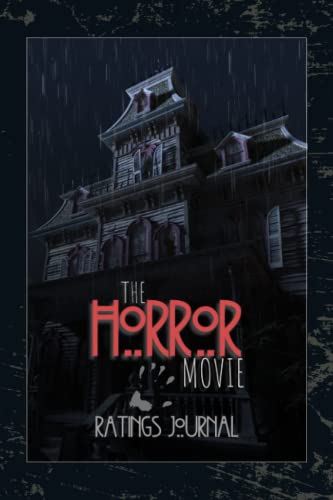
One of the defining characteristics of gothic horror is its evocative aesthetic. The genre typically employs a color palette that includes deep blacks, midnight blues, and dark purples—with gold accents that heighten the tension. This visual representation extends beyond just visual art; it permeates the literature, enhancing the narrative’s immersive experience. Authors masterfully craft their tales to evoke a sense of dread and wonder, drawing readers into a twilight world of horror and intrigue.
Iconic Themes and Motifs
Common themes in gothic horror include the exploration of madness, the uncanny, and the Forbidden. The archetype of the haunted house, particularly resembling a Victorian mansion, serves as a backdrop for many narratives. As readers navigate ancient tomes and face spectral entities, they uncover deeper truths about fear, morality, and the human condition. Whether it’s a classic novel or a contemporary tale, the essence of gothic horror continues to resonate with those who seek thrills and chills in the written word.